WHAT TO DO IF YOUR VEHICLE OVERHEATS
Bryna Christensen • June 16, 2025
KEEPING YOUR COOL WHEN THE HEAT IS ON

Summer heat can take a toll on your vehicle, especially during long drives or when stuck in traffic. Overheating is a common issue that can lead to serious engine damage if not addressed quickly. At Eureka Brake & Automotive, we want to help you stay calm and handle the situation like a pro. Here’s what to do if your vehicle overheats.
SIGNS YOUR VEHICLE IS OVERHEATING
Before jumping into action, it’s important to recognize the warning signs of overheating:
Temperature Gauge:
The needle moves into the red zone or the temperature warning light illuminates.
Steam or Smoke:
Steam coming from under the hood is a clear sign.
Strange Smells: A sweet smell may indicate leaking coolant, while a burning odor might signal an issue with engine oil or other components.
STEP-BY-STEP GUIDE: WHAT TO DO IF YOUR VEHICLE OVERHEATS
1. TURN OFF THE A/C AND TURN ON THE HEAT
While it may seem counterintuitive, turning on the heat can help draw excess heat away from the engine.
Turn off the air conditioning to reduce stress on the engine.
2. PULL OVER SAFELY
As soon as it’s safe, pull over to the side of the road or into a nearby parking lot.
Turn off the engine to allow it to cool down.
3. POP THE HOOD (CAREFULLY)
Open the hood to release trapped heat, but don’t touch anything right away.
Be cautious—the engine and radiator may still be extremely hot.
4. WAIT FOR THE ENGINE TO COOL
Allow at least 15-30 minutes for the engine to cool before inspecting or handling any components.
Never attempt to open the radiator cap while the engine is hot, as hot coolant can spray out and cause burns.
5. CHECK THE COOLANT LEVEL
Once the engine has cooled, locate the coolant reservoir (usually a translucent plastic tank).
If the level is low, you can add coolant or water as a temporary solution to get you to a service station.
Be sure to follow the manufacturer’s guidelines and only open the radiator cap if it’s safe to do so.
6. LOOK FOR LEAKS OR DAMAGE
Check for visible signs of leaks, broken hoses, or other damage.
If you spot a serious issue, it’s best to call for roadside assistance or a tow.
7. DRIVE CAREFULLY TO A SERVICE CENTER
If the coolant level is back to normal and there are no visible leaks, you can drive to the nearest service center.
Keep an eye on the temperature gauge and stop if the engine begins to overheat again.
HOW TO PREVENT OVERHEATING
1. REGULAR MAINTENANCE
Schedule regular cooling system checks at Eureka Brake & Automotive.
Ensure your coolant is topped off and replace it according to your manufacturer’s recommendations.
2. INSPECT HOSES AND BELTS
Look for signs of wear and tear on hoses and belts, as these can lead to overheating issues.
3. CHECK THE RADIATOR
Ensure the radiator is clean and free of debris that could block airflow.
4. WATCH YOUR GAUGES
Keep an eye on the temperature gauge during hot weather or long drives.
Pull over at the first sign of overheating to prevent further damage.
Dealing with an overheating vehicle can be stressful, but knowing how to respond can save you from costly repairs. If you experience repeated overheating or suspect an issue with your cooling system, visit Eureka Brake & Automotive. Our expert technicians will inspect your vehicle and make sure it’s ready for the summer heat. Drive safe and stay cool out there!
Schedule online or call us now at 707-443-2122!
*Stay connected with us on social media for updates, tips, and special offers throughout the year. We love hearing from you and are always here to help with any automotive questions or
needs you might have.
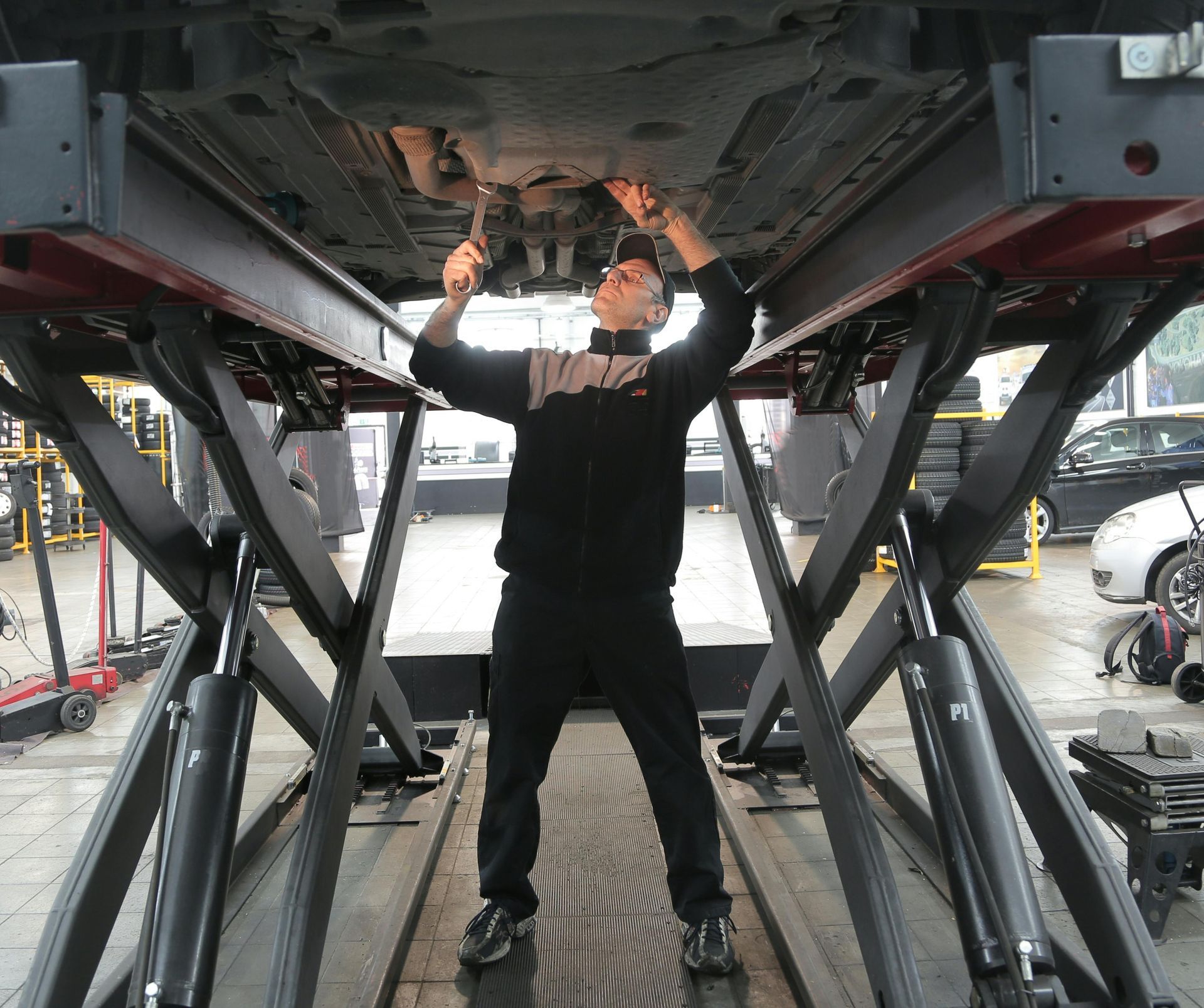
Learn why choosing a family-owned auto shop in Eureka makes a difference, and discover how Eureka Brake & Automotive delivers trusted service, local care, and honest repairs.
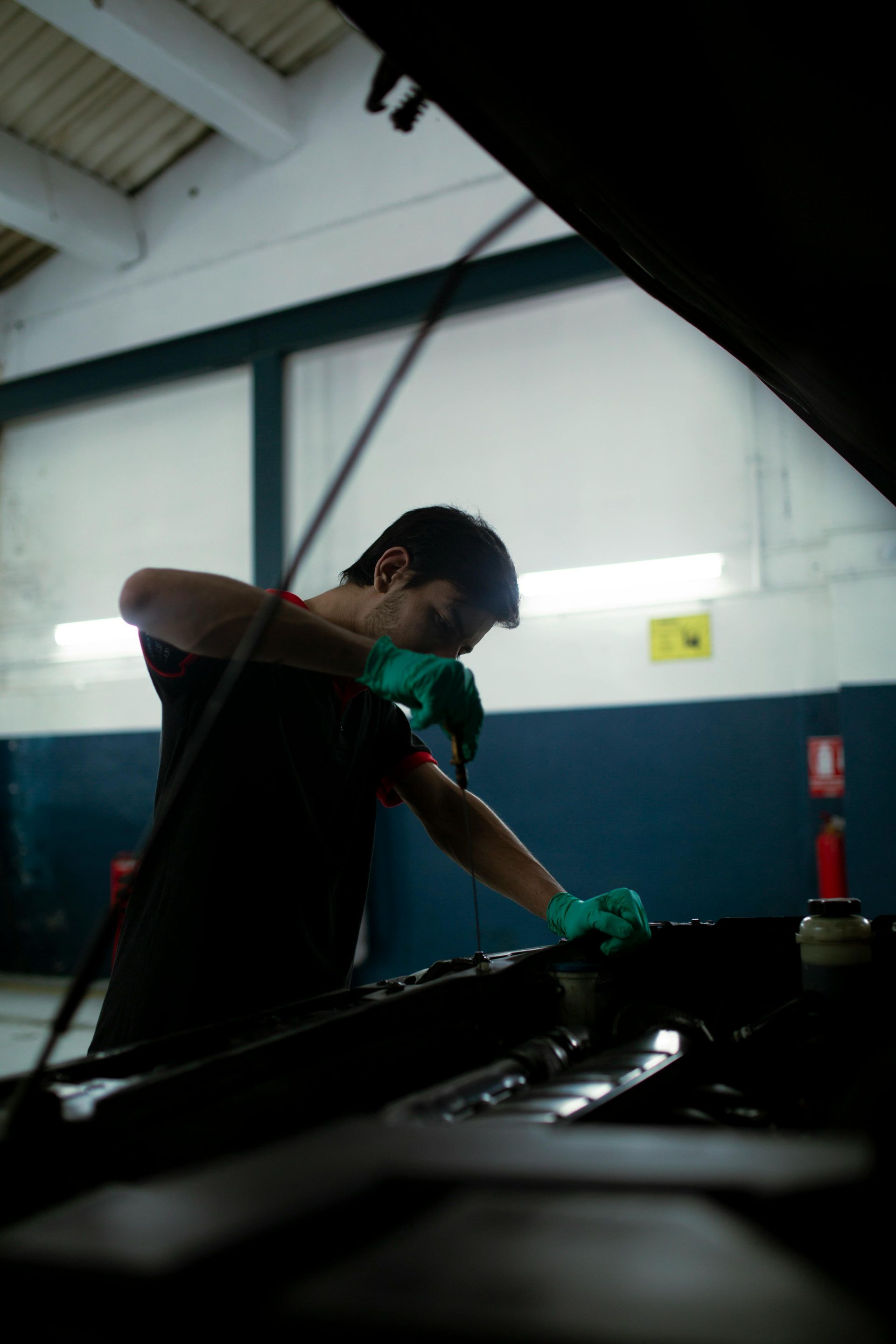
A helpful check engine light guide for Eureka drivers explaining common causes, what to do when it turns on, and why timely diagnostics can prevent costly repairs.
Understand what your vehicle’s warning lights mean, why they turn on, and when to seek professional service to protect your car from costly damage.
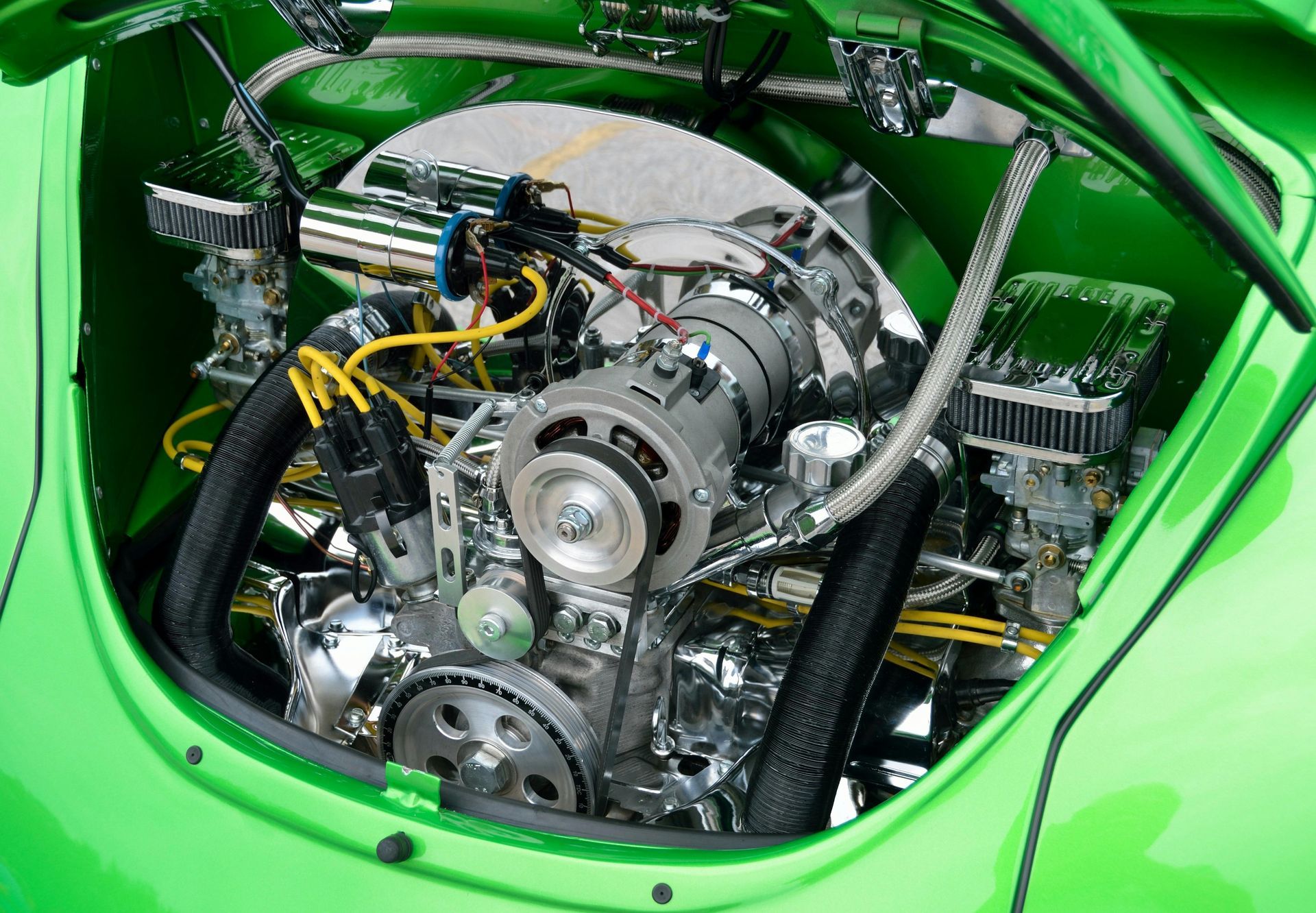
Learn the most common transmission warning signs Humboldt County drivers should watch for and why early service can help prevent major repairs and breakdowns.
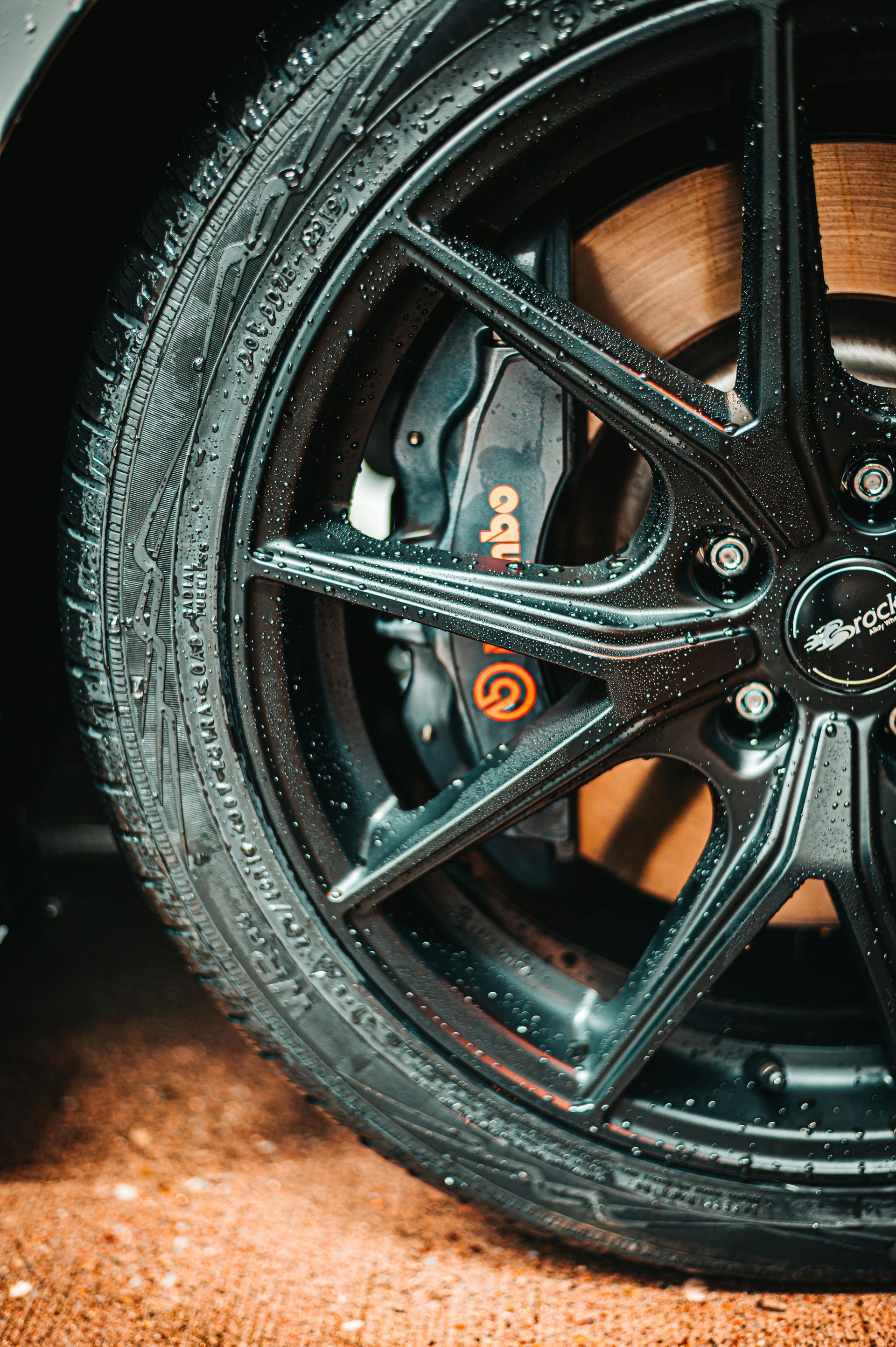
Learn the top signs your brakes need service when driving Eureka’s hilly streets and why timely brake inspections help keep you safe and in control.
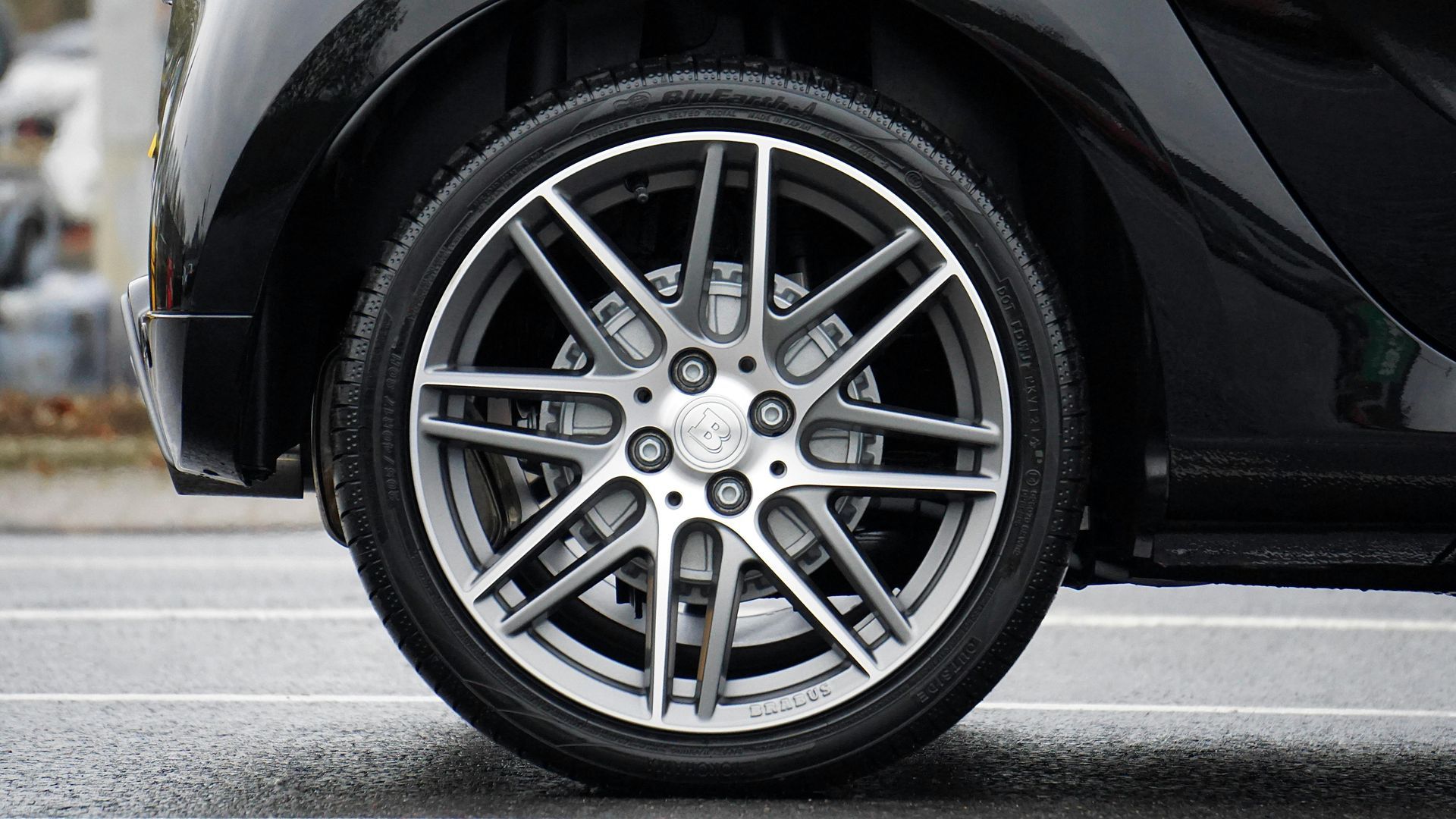
Learn how to prepare your tires for California’s wet fall roads with expert tips on tread depth, tire pressure, alignment, and safety to improve traction and control.
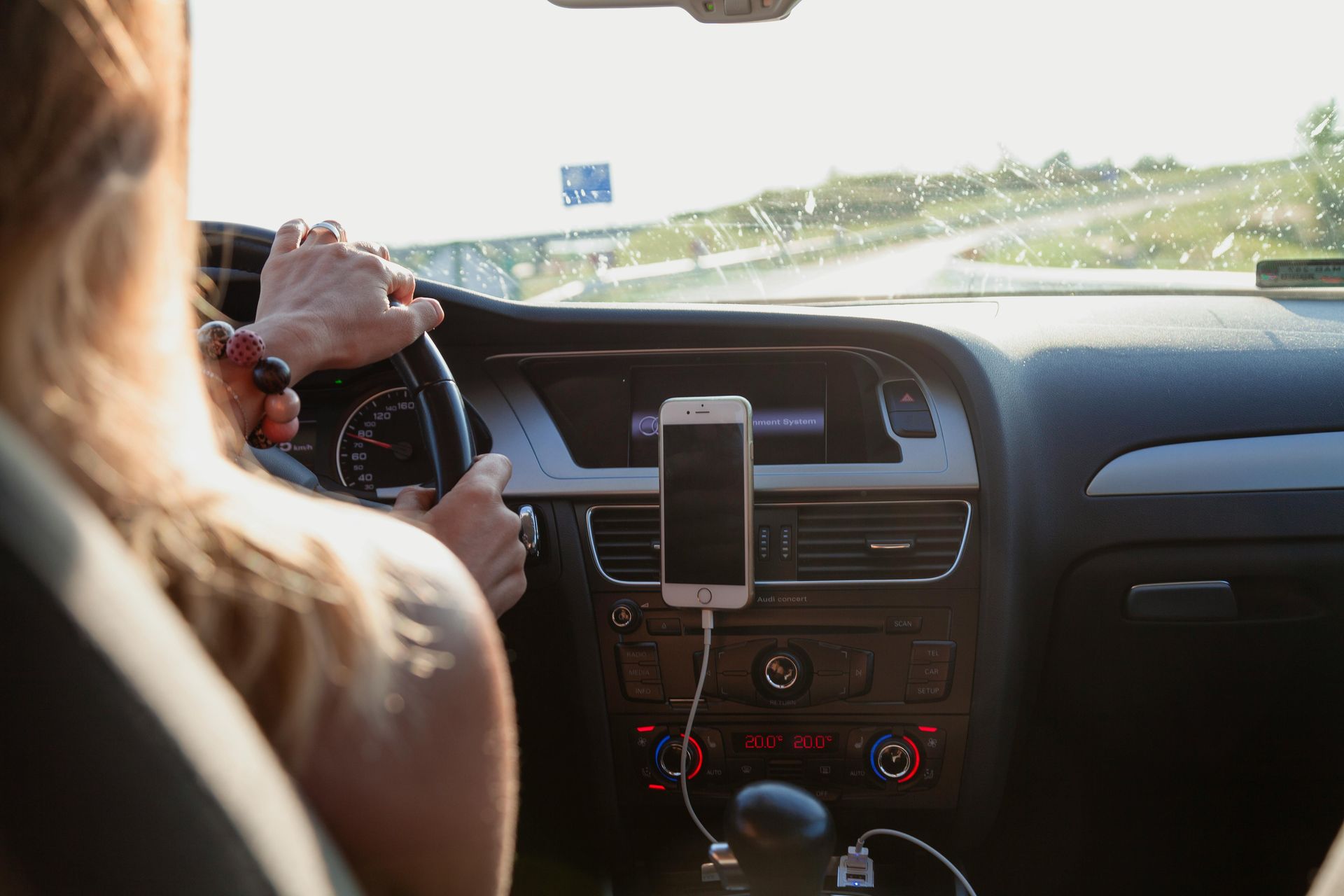
Prepare your car for a Redwood National Park road trip with essential maintenance tips that help ensure safety, reliability, and a smooth drive through coastal and forest roads.
Get your vehicle ready for a Humboldt County winter with this pre-season checkup guide covering essential inspections, maintenance tips, and cold-weather driving readiness.
Learn what your check engine light means, common causes behind it, and why prompt diagnostics from Eureka’s master technicians can prevent costly repairs.
Discover why regular diagnostics are essential for European imports in Eureka, helping prevent costly repairs, improve performance, and ensure reliable driving year-round.