FATHER’S DAY WISDOM
BRYNA CHRISTENSEN • June 9, 2025
HOW TO ADD AIR TO YOUR TIRES LIKE A PRO
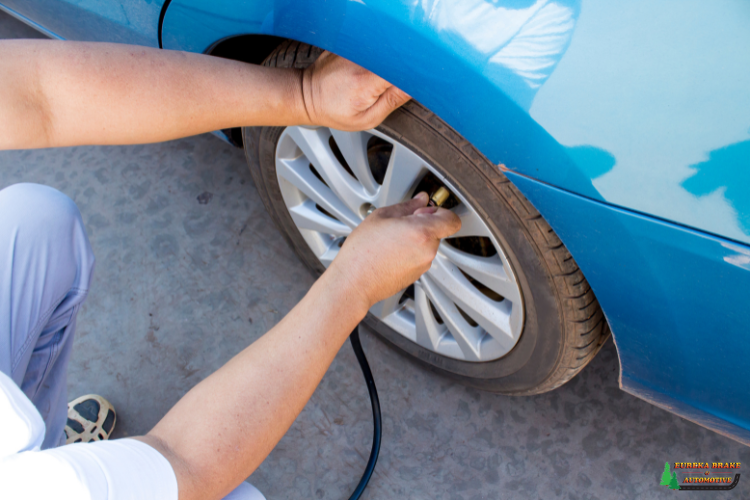
Father’s Day is the perfect time to celebrate the practical advice and life lessons our dads have passed down over the years. At Eureka Brake & Automotive, we know that some of the best fatherly wisdom revolves around taking care of vehicles. This year, let’s focus on a simple yet essential skill: how to properly add air to your tires. Whether you’re a seasoned driver or just learning the ropes, here’s a step-by-step guide to keep your tires in top shape—just like Dad would want.
WHY TIRE PRESSURE MATTERS
Maintaining the correct tire pressure isn’t just about getting the best gas mileage—it’s also about safety and extending the life of your tires. Underinflated or overinflated tires can lead to uneven wear, decreased fuel efficiency, and even blowouts. Keeping your tires properly inflated helps ensure a smoother, safer ride for you and your passengers.
HOW TO CHECK AND ADD AIR TO YOUR TIRES
Here’s a step-by-step guide you can follow, inspired by good old-fashioned fatherly advice:
1. FIND THE RECOMMENDED TIRE PRESSURE
Check your vehicle’s owner’s manual or the sticker inside the driver’s side doorframe for the manufacturer’s recommended tire pressure (measured in PSI).
Don’t rely on the number on the tire itself—that’s the maximum pressure, not the recommended pressure for your vehicle.
2. GRAB A TIRE PRESSURE GAUGE
A trusty tire pressure gauge is a must-have tool. Digital or analog, choose one you’re comfortable using.
Many gas stations also have built-in gauges on their air pumps, but having your own ensures accuracy.
3. CHECK THE PRESSURE
Remove the valve cap from your tire.
Press the gauge onto the valve stem firmly until you hear a brief hiss. This means it’s sealed and ready to measure.
Read the pressure on the gauge and compare it to the recommended PSI.
4. ADD AIR IF NEEDED
If the pressure is too low, head to an air pump (most gas stations have them, and some are even free).
Attach the pump nozzle to the valve stem. You’ll hear air flowing into the tire.
Add air in short bursts and recheck the pressure with your gauge until you reach the recommended PSI.
5. DON’T OVERFILL
If you accidentally over inflate, use the small pin inside the valve stem to release air gradually. Most gauges have a small nub designed for this purpose.
6. REPLACE THE VALVE CAP
Once the pressure is correct, screw the valve cap back on to protect the valve stem from dirt and debris.
* BONUS TIP FROM DAD: CHECK THE SPARE TIRE
Dads always have a way of thinking ahead, and checking the spare tire is a classic move. Make sure your spare is properly inflated and ready to go in case of an emergency.
WHEN TO CHECK YOUR TIRE PRESSURE
Monthly:
Tires naturally lose a small amount of air over time.
Before Long Trips:
Always check your tire pressure before hitting the road.
When Temperatures Change: Hot and cold weather can cause tire pressure to fluctuate, so keep an eye on it during seasonal shifts.
Whether it’s teaching us to check tire pressure or how to change the oil, dads (and father figures) play a big role in keeping us safe on the road. This Father’s Day, take a moment to show your appreciation by sharing these tips or passing them on to someone else.
Need help with your tires? Stop by Eureka Brake & Automotive, and we’ll make sure your vehicle is road-ready. From all of us, Happy Father’s Day!
Schedule online or call us now at 707-443-2122!
*Stay connected with us on social media for updates, tips, and special offers throughout the year. We love hearing from you and are always here to help with any automotive questions or
needs you might have.
Learn why choosing a family-owned auto shop in Eureka makes a difference, and discover how Eureka Brake & Automotive delivers trusted service, local care, and honest repairs.
A helpful check engine light guide for Eureka drivers explaining common causes, what to do when it turns on, and why timely diagnostics can prevent costly repairs.
Understand what your vehicle’s warning lights mean, why they turn on, and when to seek professional service to protect your car from costly damage.
Learn the most common transmission warning signs Humboldt County drivers should watch for and why early service can help prevent major repairs and breakdowns.
Learn the top signs your brakes need service when driving Eureka’s hilly streets and why timely brake inspections help keep you safe and in control.
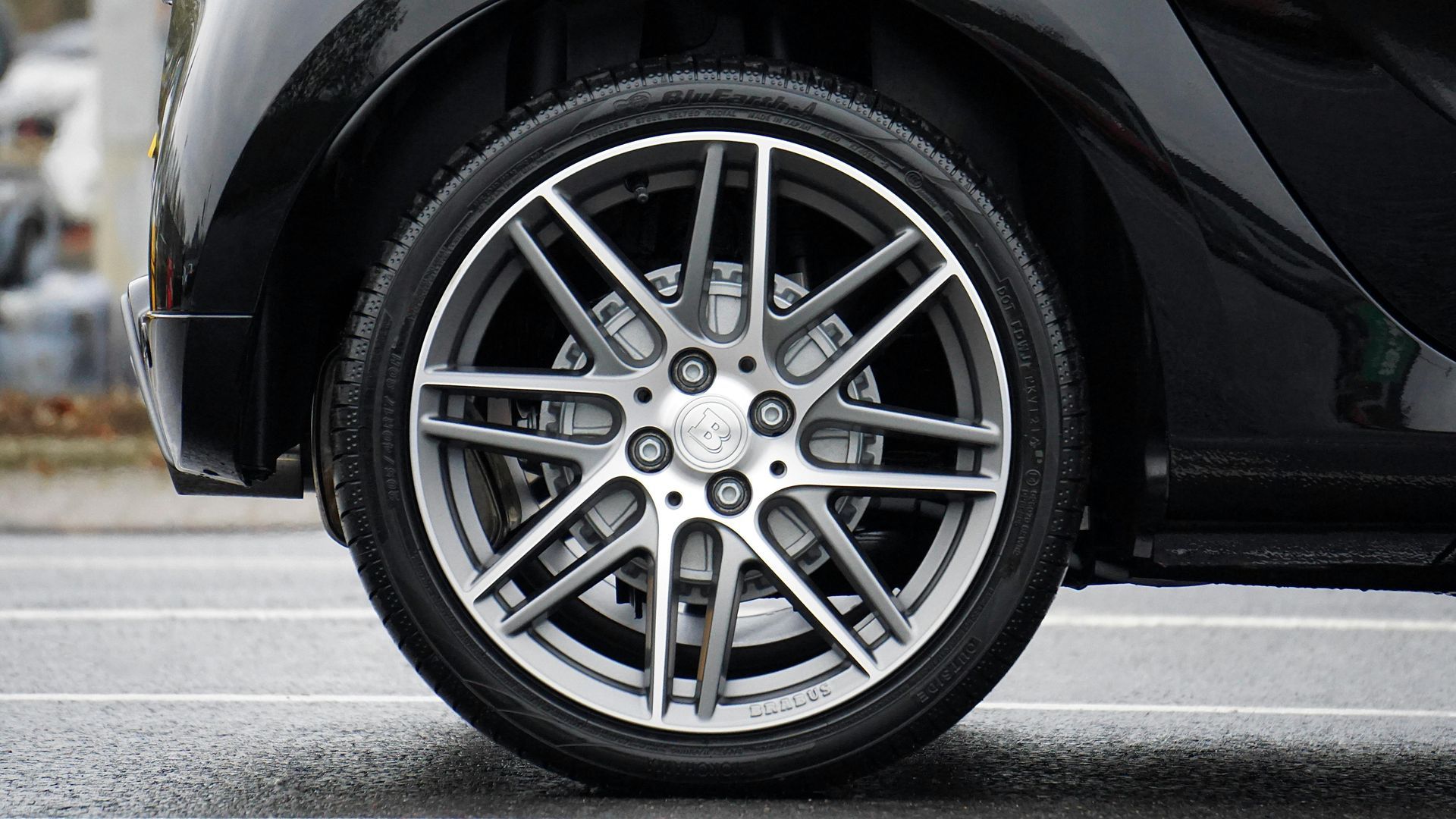
Learn how to prepare your tires for California’s wet fall roads with expert tips on tread depth, tire pressure, alignment, and safety to improve traction and control.

Prepare your car for a Redwood National Park road trip with essential maintenance tips that help ensure safety, reliability, and a smooth drive through coastal and forest roads.
Get your vehicle ready for a Humboldt County winter with this pre-season checkup guide covering essential inspections, maintenance tips, and cold-weather driving readiness.

Learn what your check engine light means, common causes behind it, and why prompt diagnostics from Eureka’s master technicians can prevent costly repairs.
Discover why regular diagnostics are essential for European imports in Eureka, helping prevent costly repairs, improve performance, and ensure reliable driving year-round.