Decoding Your Vehicle's Warning Lights: A Complete Driver's Guide
Decoding Your Vehicle's Warning Lights: A Complete Driver's Guide
Your car's dashboard is like a communication center, constantly monitoring dozens of systems and alerting you when something needs attention. For drivers in Eureka, where coastal roads and varying weather conditions can stress vehicle systems, knowing what these warning lights mean can be the difference between a minor repair and a major breakdown. Whether you're commuting along Highway 101 or exploring the winding roads around Humboldt Bay, recognizing these signals helps keep you safe and prevents costly damage.
Why Warning Lights Matter More in Eureka
Eureka's unique driving conditions – from salt air corrosion to frequent temperature changes – can affect vehicle systems in ways that trigger warning lights. Remote stretches of highway and limited cell service in some areas make it crucial to address warning lights before they become roadside emergencies.
Engine-Related Warning Lights
Check Engine Light
This amber light is your car's most versatile warning signal. It can indicate anything from a loose gas cap to serious engine problems. The light may be solid (indicating a less urgent issue) or flashing (requiring immediate attention).
What to Do: If the light is solid, you can continue driving but should schedule a diagnostic soon. If it's flashing, stop driving immediately and seek professional help. In Eureka's coastal climate, this light often appears due to moisture-related sensor issues.
Engine Temperature Warning
Usually red and shaped like a thermometer, this light means your engine is overheating. This is particularly common during summer traffic backups on Highway 101 or when climbing hills around the redwood parks.
Immediate Action Required: Pull over safely, turn off the engine, and wait for it to cool completely. Never open the radiator cap while hot. Call for professional help rather than risk engine damage.
Oil Pressure Warning
This red light (often shaped like an oil can) indicates dangerously low oil pressure. Without proper oil pressure, your engine can suffer catastrophic damage within minutes.
Critical Response: Stop driving immediately and turn off the engine. Check oil level when cool, but even if oil level appears normal, don't drive until the problem is diagnosed by a professional.
Brake System Alerts
Brake Warning Light
A red "BRAKE" light or brake symbol indicates problems with your brake system – potentially life-threatening, especially on Eureka's hilly terrain and during wet weather conditions.
Safety Priority: Check that your parking brake is fully released. If the light remains on, your brake fluid may be low or there could be a brake system failure. Drive carefully to the nearest shop or pull over and call for help.
ABS Warning Light
The Anti-lock Brake System (ABS) light indicates problems with your electronic brake assistance. While your regular brakes should still work, you won't have ABS protection during emergency stops.
What This Means: On wet roads common during Eureka's rainy season, ABS helps prevent skidding. Without it, you'll need to be extra cautious, especially on slippery surfaces.
Electrical and Charging System Lights
Battery Warning Light
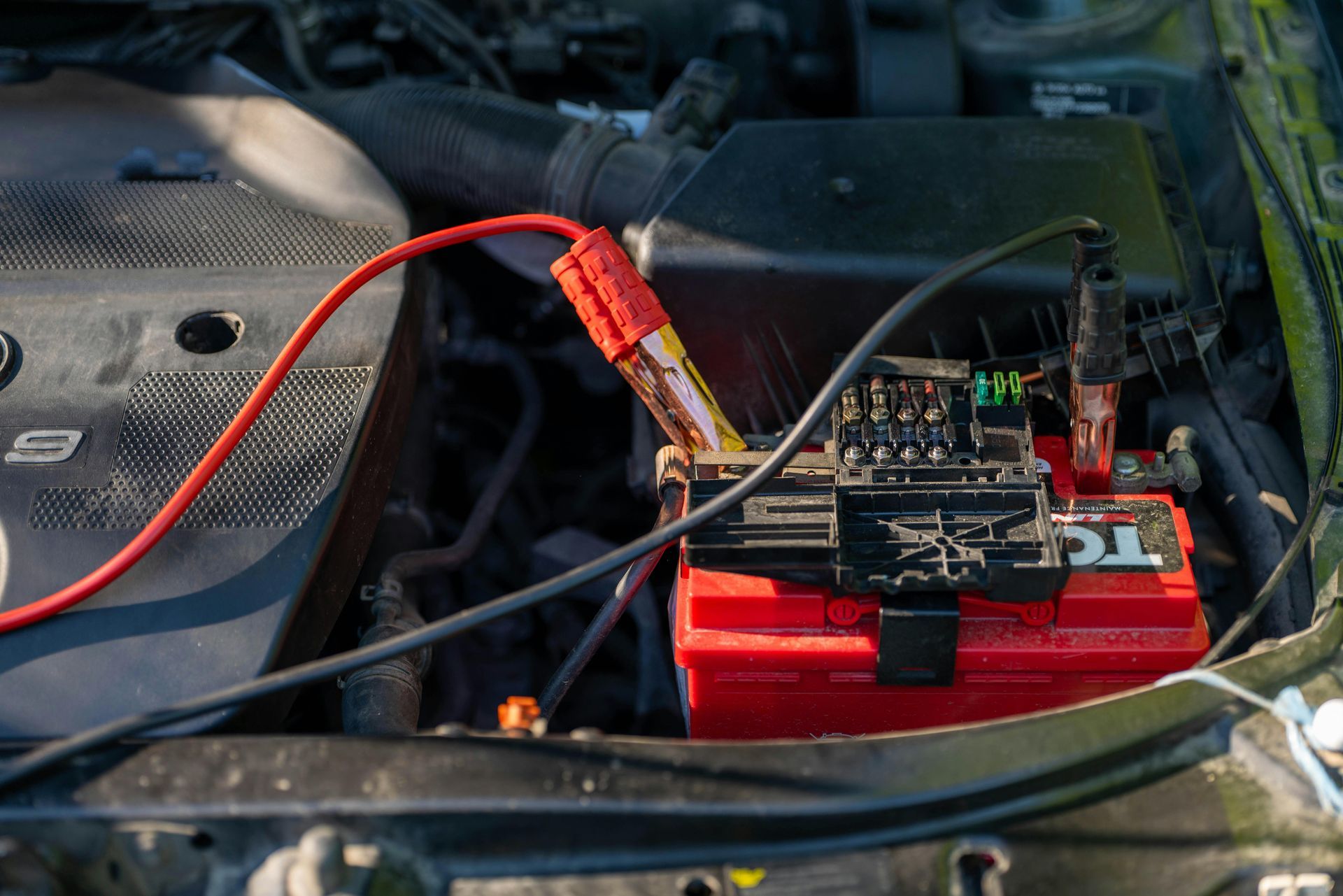
This light (usually shaped like a battery) indicates charging system problems. Your car runs on stored battery power when the alternator isn't charging properly.
Time-Sensitive Issue: You may have 30 minutes to several hours of driving time left, depending on your battery's condition and electrical usage. Head to a repair shop immediately, and minimize electrical usage (turn off AC, radio, unnecessary lights).
Alternator/Charging System Light
Similar to the battery light, this indicates your alternator isn't charging your battery properly. Without a functioning alternator, your car will eventually stop running.
Tire and Safety System Warnings
Tire Pressure Monitoring System (TPMS)
This light looks like a tire with an exclamation point and indicates one or more tires have low pressure. Eureka's temperature changes between morning fog and afternoon sun can cause pressure fluctuations.
Simple Fix: Check and adjust tire pressure when tires are cool. If the light persists after proper inflation, you may have a slow leak or sensor problem.
Airbag Warning Light
This light indicates a problem with your vehicle's airbag system. While the car is safe to drive, your airbags may not deploy properly in an accident.
Safety Concern: Schedule service promptly, especially if you regularly drive Highway 101 where accidents can be more severe due to higher speeds.
Fluid and System Maintenance Lights
Coolant Temperature Warning
Different from the engine temperature light, this typically indicates low coolant level or cooling system problems. Eureka's salt air can accelerate corrosion in cooling systems.
Action Needed: Check coolant level when engine is cool. If level is adequate, you may have a thermostat or water pump problem requiring professional diagnosis.
Power Steering Warning Light
This light indicates problems with power steering assistance. You'll still be able to steer, but it will require much more effort, especially at low speeds or when parking.
Driving Impact: Be prepared for heavy steering, particularly challenging when maneuvering in tight downtown Eureka parking areas.
Transmission and Drivetrain Alerts
Transmission Warning Light
This light indicates transmission problems that could lead to expensive repairs if ignored. Modern transmissions are complex and sensitive to fluid quality and temperature.
Preventive Action: Schedule service immediately. Continued driving could cause transmission failure, leaving you stranded and facing major repair costs.
When Warning Lights Require Immediate Action
Red Lights: Almost always indicate immediate safety concerns or potential for major damage. Stop driving and seek help.
Yellow/Amber Lights: Usually indicate systems that need attention soon but aren't immediately dangerous. Schedule service within a few days.
Blue/Green Lights: Typically informational, indicating systems that are operating (like high beams or cruise control).
Dashboard Light Maintenance Tips
Keep your dashboard clean and visible. Eureka's morning fog and coastal humidity can create glare that makes warning lights harder to see.
Never ignore warning lights hoping they'll go away. Modern vehicles have sophisticated monitoring systems that rarely give false alarms.
The Cost of Ignoring Warning Lights
What starts as a simple sensor replacement can become an engine rebuild if ignored. Warning lights are designed to prevent major damage by alerting you to problems early.
Technology Changes in Modern Vehicles
Newer vehicles have more warning lights than ever before, monitoring everything from tire pressure to lane departure. While this improves safety and reliability, it also means more systems that can trigger warnings.
Professional Diagnosis is Key
Modern diagnostic equipment can quickly identify the exact cause of warning lights. Guessing or ignoring the problem often leads to more expensive repairs and potential safety hazards.
Expert Warning Light Diagnosis in Eureka
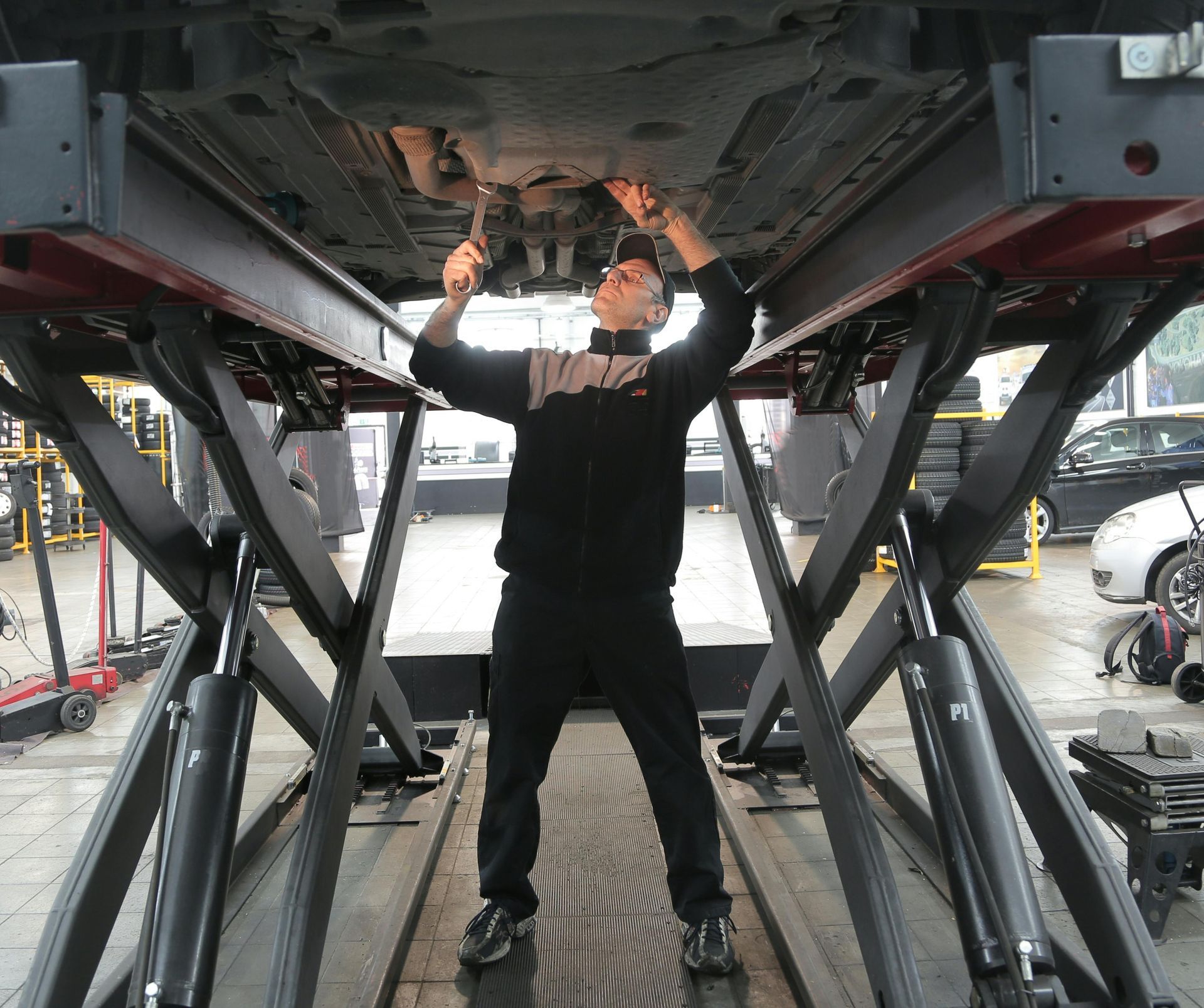
When warning lights appear on your dashboard, don't guess what they mean or hope they'll disappear. The certified technicians at Eureka Brake & Automotive use advanced diagnostic equipment to quickly identify the exact problem and recommend appropriate repairs. From simple sensor issues to complex system problems, we'll get your warning lights sorted out and your vehicle running safely.
Call us at (707) 200-7097 or visit our shop at 2002 2nd Street in Eureka for professional diagnostic service that keeps you safely on the road.