Your Check Engine Light Guide for Eureka Drivers
Your Check Engine Light Guide for Eureka Drivers
Few things cause more anxiety for drivers than seeing that ominous amber check engine light illuminate on their dashboard. Whether you're cruising down Highway 101 or sitting in downtown Eureka traffic, this warning can turn a routine drive into a stressful experience. For Eureka drivers dealing with coastal humidity, varying temperatures, and the unique challenges of Northern California's remote highways, knowing how to respond to this warning light can mean the difference between a minor inconvenience and a major breakdown.
What the Check Engine Light Actually Means
Your Car's Communication System
The check engine light is part of your vehicle's onboard diagnostics system, constantly monitoring dozens of sensors and components. When something operates outside normal parameters, the system triggers this warning to alert you that professional attention is needed.
Not Always an Emergency
A solid amber check engine light typically indicates a problem that needs attention but isn't immediately dangerous. However, a flashing check engine light signals a serious issue requiring immediate action to prevent major engine damage.
Modern Complexity
Today's vehicles monitor everything from exhaust emissions to engine timing. The check engine light can indicate issues ranging from a loose gas cap to serious internal engine problems, making professional diagnosis essential.
Immediate Steps to Take
Don't Panic
If the light comes on while driving around Eureka or on Highway 101, remain calm. A solid light usually means you can continue driving carefully to your destination or a repair shop, but avoid aggressive acceleration or high speeds.
Check the Basics
First, ensure your gas cap is tight. A loose or damaged gas cap is one of the most common causes of check engine lights and can be easily fixed. Tighten the cap and see if the light goes off after a few driving cycles.
Assess Vehicle Performance
Pay attention to how your car feels. If it's running normally with no unusual noises, rough idling, or performance issues, you likely have time to schedule a diagnostic appointment. However, any significant changes in how your vehicle operates require immediate attention.
When to Stop Driving Immediately
Flashing Check Engine Light
A flashing light indicates misfiring that can damage your catalytic converter within minutes. Pull over safely and turn off the engine immediately. This is especially critical on remote stretches of Highway 101 where help may be far away.
Performance Problems
If the check engine light appears alongside rough running, loss of power, unusual noises, or overheating, stop driving and seek immediate help. These symptoms often indicate serious problems that can cause expensive damage if ignored.
Additional Warning Lights
Multiple warning lights appearing simultaneously, especially oil pressure or temperature warnings, require immediate attention. Don't risk major engine damage by continuing to drive.
Common Causes in Eureka's Climate
Moisture-Related Issues
Eureka's coastal humidity can affect various sensors and electrical connections. Oxygen sensors, mass airflow sensors, and other components may trigger the check engine light due to moisture exposure or corrosion from salt air.
Temperature Fluctuations
Daily temperature swings from cool morning fog to warmer afternoons can affect sensor readings and emissions system operation. These fluctuations are more pronounced in coastal areas and can trigger intermittent check engine lights.
Fuel System Problems
Coastal humidity can introduce moisture into fuel systems over time. This is particularly common in vehicles that sit for extended periods or are driven primarily for short trips around town.
Why Professional Diagnosis is Essential
Complex Modern Systems
Modern vehicles have intricate computer systems with hundreds of potential diagnostic codes. What appears to be a simple problem often involves multiple interconnected systems requiring professional expertise to diagnose correctly.
Avoiding Costly Mistakes
Guessing at the problem or replacing parts without proper diagnosis often leads to unnecessary expenses. Professional diagnostic equipment can pinpoint exact issues, saving time and money on repairs.
Emissions Compliance
California has strict emissions requirements, and check engine lights often indicate emissions-related problems. Professional diagnosis ensures repairs meet state standards and prevent failed smog checks.
Local Driving Considerations
Remote Highway Travel
Highway 101 through Humboldt County includes remote stretches where cell service is limited. Address check engine lights before traveling these areas to avoid being stranded far from help.
Coastal Corrosion Effects
Salt air accelerates corrosion of sensors and electrical connections. Local shops familiar with coastal driving conditions can identify and prevent corrosion-related check engine light problems.
Seasonal Patterns
Some check engine light issues follow seasonal patterns in Eureka's climate. Shops familiar with local conditions can identify these patterns and recommend preventive measures.
What to Expect During Diagnosis
Computer Scanning
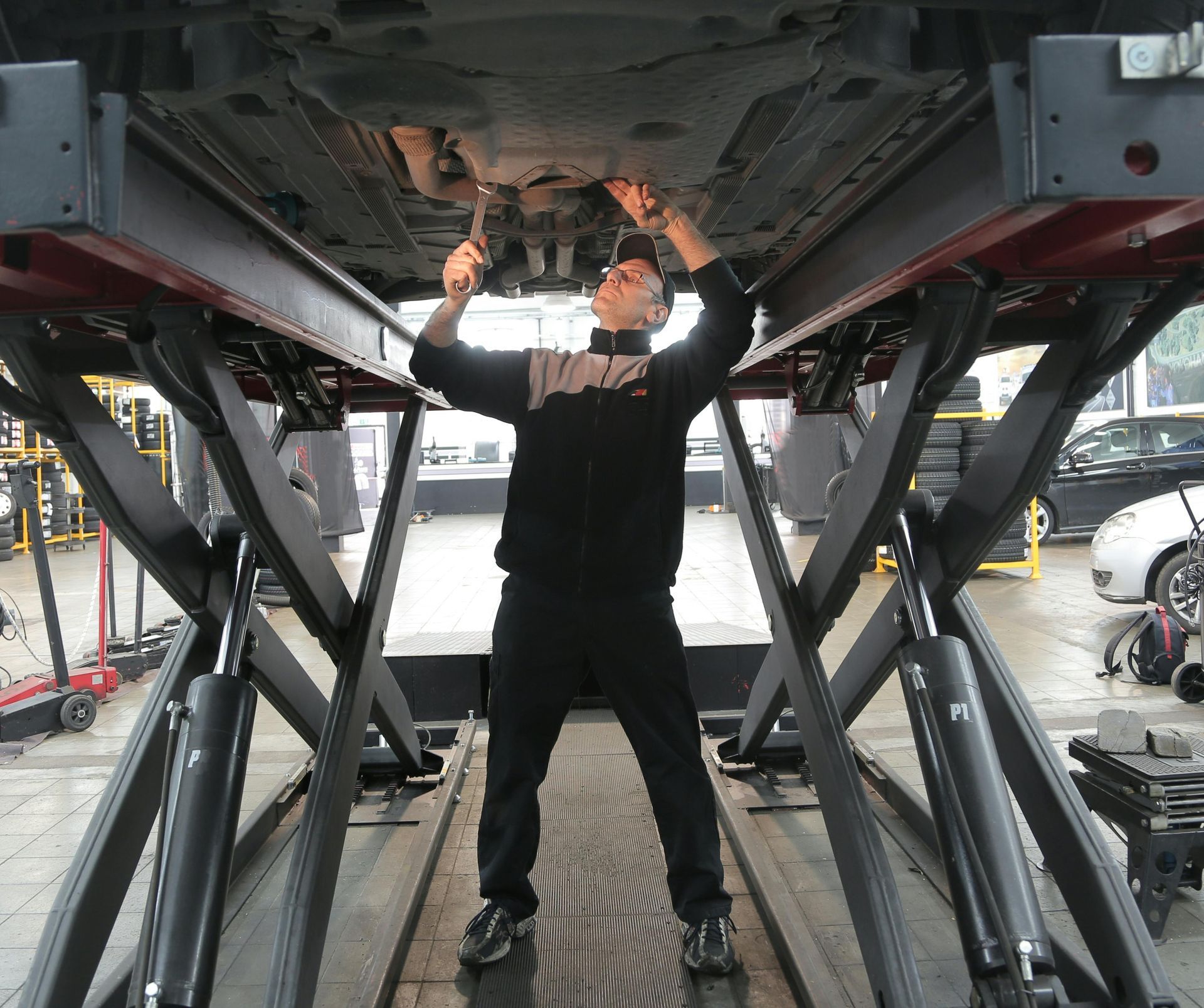
Technicians use professional-grade scan tools to retrieve diagnostic trouble codes stored in your vehicle's computer. These codes provide starting points for diagnosis but rarely tell the complete story.
System Testing
Beyond reading codes, proper diagnosis involves testing related systems to identify root causes. This might include checking fuel pressure, testing sensors, or examining wiring harnesses for corrosion.
Road Testing
Many problems only appear under specific driving conditions. Professional diagnosis often includes road testing to reproduce symptoms and verify repairs.
Prevention Strategies
Regular Maintenance
Following manufacturer maintenance schedules prevents many check engine light problems. Regular air filter changes, fuel system cleaning, and scheduled tune-ups keep systems operating within normal parameters.
Quality Fuel
Use quality gasoline from reputable stations. Poor fuel quality can trigger check engine lights and damage emissions components over time.
Address Problems Early
Don't ignore minor performance issues hoping they'll go away. Small problems often escalate into major ones, triggering check engine lights and requiring expensive repairs.
The Cost of Ignoring the Warning
Catalytic Converter Damage
Continuing to drive with certain check engine light problems can destroy your catalytic converter, requiring replacement costing $1,000-3,000. Early diagnosis and repair prevent this expensive damage.
Failed Smog Tests
In California, vehicles with check engine lights automatically fail smog tests. You'll need to diagnose and repair the problem before registration renewal.
Reduced Fuel Economy
Many check engine light problems reduce fuel efficiency. With California's high gas prices, this quickly adds up to significant costs.
Don't Let Check Engine Lights Stress You Out
While check engine lights are never welcome, they're your vehicle's way of protecting itself from serious damage. Modern diagnostic technology makes identifying problems faster and more accurate than ever before. The key is responding appropriately based on symptoms and seeking professional help when needed.
Expert Check Engine Light Diagnosis in Eureka
When your check engine light comes on, don't guess what's wrong or ignore the warning. The certified technicians at Eureka Brake & Automotive use state-of-the-art diagnostic equipment to quickly identify the exact cause of your check engine light. We understand how Eureka's coastal environment affects vehicle systems and can diagnose problems efficiently and accurately. From simple sensor replacements to complex emissions repairs, we'll get your check engine light sorted out and your vehicle running properly.
Call us at (707) 200-7097 or visit us at 2002 2nd Street in Eureka for professional check engine light diagnosis and repair.