Getting Your Tires Ready for California's Wet Fall Roads
As fall approaches along the Northern California coast, Eureka drivers face a dramatic shift from the dry summer months to the region's notorious rainy season. While much of California enjoys year-round sunshine, Humboldt County's coastal location brings heavy rains, persistent fog, and slick road conditions that demand properly maintained tires. Preparing your tires now, before the first major storms arrive, can mean the difference between safe travels and dangerous driving situations on Highway 101 and local roads.
Why Tire Preparation Matters in Eureka
Eureka's fall and winter bring some of the heaviest rainfall in California, with annual precipitation often exceeding 40 inches. The transition from bone-dry summer roads to suddenly wet surfaces creates particularly hazardous conditions. Roads that seemed perfectly safe in August become slippery and dangerous with the first rains, as oil and debris mix with water to create treacherous driving surfaces.
The Critical Role of Tread Depth
The Penny Test
Insert a penny into your tire tread with Lincoln's head pointing down. If you can see the top of Lincoln's head, your tires have less than 2/32" of tread remaining and need immediate replacement. For wet weather driving around Eureka, consider replacing tires before they reach this minimum legal limit.
Why More Tread Matters
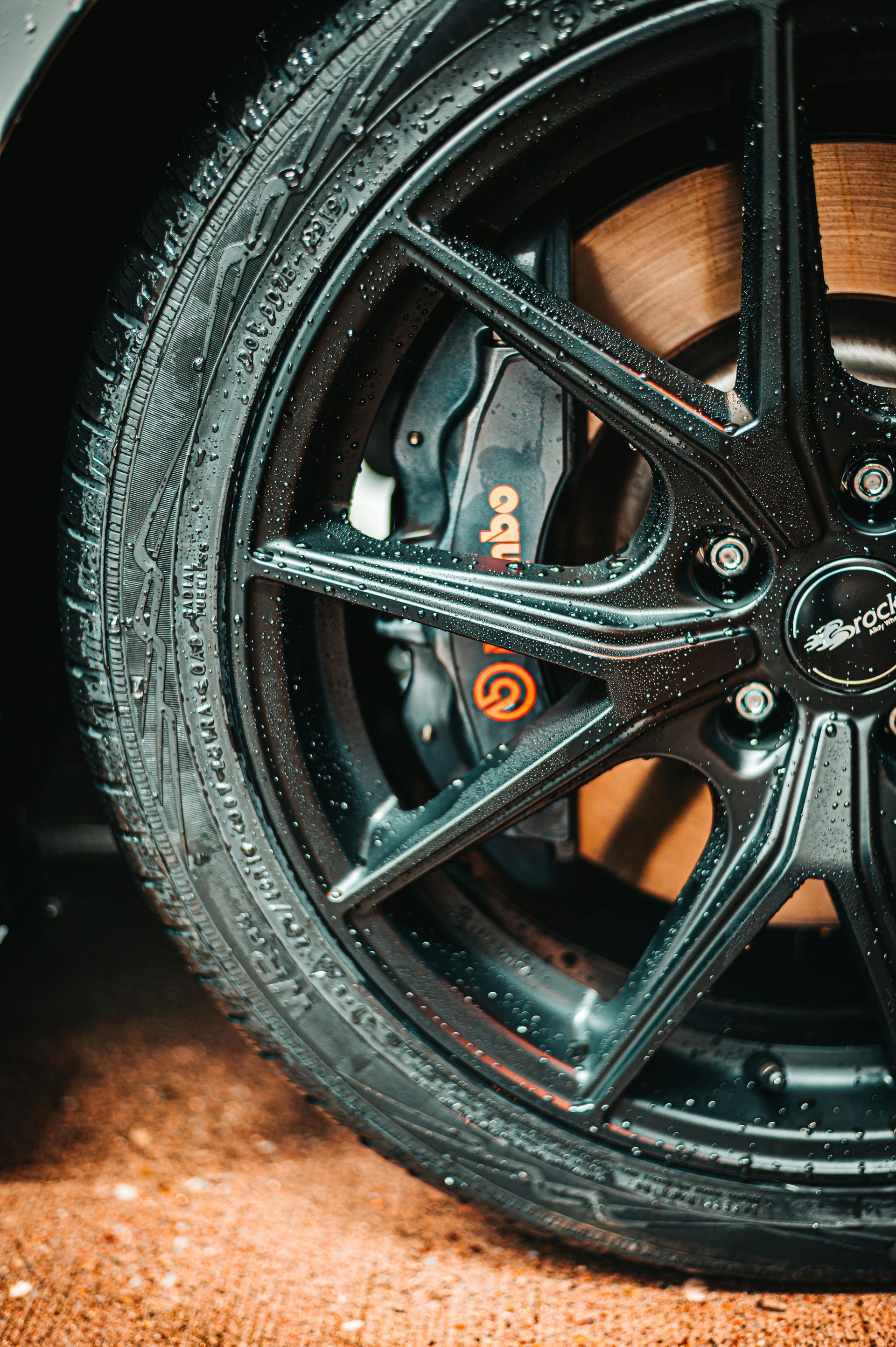
Deeper tread channels water away from your tire's contact patch with the road. On Highway 101 during heavy downpours, inadequate tread depth can lead to hydroplaning – a terrifying experience where your car loses contact with the road surface entirely.
Measuring Across the Tire
Check tread depth at multiple points across each tire's width and around the circumference. Uneven wear patterns indicate alignment problems, improper inflation, or suspension issues that affect wet weather handling.
Tire Pressure: More Critical in Wet Weather
Temperature Effects
As Eureka's temperatures drop from summer highs to cool fall mornings, tire pressure decreases by approximately 1-2 PSI for every 10-degree temperature drop. Under-inflated tires have reduced contact with the road and compromised wet weather traction.
Optimal Pressure for Safety
Check your tire pressure monthly using an accurate gauge when tires are cold. Proper inflation ensures your tires maintain their intended contact patch with wet roads, improving both traction and braking performance.
Load Considerations
If you regularly carry heavy loads or tow equipment to Humboldt Bay or camping areas, ensure your tire pressure meets the requirements for loaded conditions, typically found on a sticker inside your driver's door frame.
Recognizing Tire Wear Patterns
Center Wear
Excessive wear down the center of your tire indicates over-inflation. This reduces the tire's contact area with wet roads, compromising traction when you need it most.
Edge Wear
Wear on the tire's outer edges suggests under-inflation, which can cause dangerous heat buildup and reduced wet weather control, especially important on winding coastal roads.
Cupping or Scalloping
Irregular wear patterns indicate suspension or alignment problems that affect how your tires contact the road. These issues become more dangerous in wet conditions where even contact is crucial for safety.
When to Replace Tires Before Winter
The 4/32" Rule for Wet Weather
While 2/32" is the legal minimum, tire safety experts recommend replacing tires when they reach 4/32" of remaining tread for wet weather driving. At this depth, stopping distances on wet roads increase significantly.
Age Considerations
Even tires with adequate tread should be replaced after six years, regardless of mileage. Rubber compounds deteriorate over time, especially in Eureka's moist coastal environment, reducing wet weather grip.
Seasonal Timing
Replace tires before the rainy season begins, typically by October in Humboldt County. Don't wait for the first major storm to discover your tires can't handle wet conditions safely.
All-Season vs. Summer Tires
Summer Tire Limitations
Summer tires, designed for warm, dry conditions, become dangerously slippery in cold, wet weather. Their rubber compounds harden in cooler temperatures, providing poor traction on wet roads.
All-Season Advantages
Quality all-season tires offer better wet weather performance with specialized tread patterns and rubber compounds designed to remain flexible in varying temperatures. For Eureka's climate, all-season tires are typically the best choice.
Performance in Local Conditions
Consider how your daily driving patterns affect tire choice. Commuting to Arcata on Highway 101 requires different tire characteristics than mostly in-town Eureka driving.
Tire Rotation and Maintenance
Regular Rotation Schedule
Rotate tires every 5,000-7,500 miles to ensure even wear patterns. This is especially important in Eureka, where frequent turns and coastal road conditions can cause uneven wear.
Alignment and Balance
Proper wheel alignment ensures even tire contact with wet roads. Misaligned wheels cause uneven wear and poor wet weather handling, particularly dangerous on Highway 101's high-speed sections.
Spare Tire Check
Don't forget your spare tire. Check its pressure and condition regularly – you don't want to discover a flat spare during a roadside emergency in the rain.
Wet Weather Driving Tips
Reduce Speed
Wet roads require longer stopping distances and gentler steering inputs. Reduce your normal Highway 101 speeds when roads are wet, especially during the first rain after a dry period.
Increase Following Distance
Double your normal following distance on wet roads. This gives you more time to react and stop safely if traffic conditions change suddenly.
Avoid Sudden Movements
Gradual acceleration, braking, and steering inputs help maintain traction on slippery surfaces. Sudden movements can cause loss of control, especially with worn tires.
Professional Tire Inspection Benefits
Expert Eye for Problems
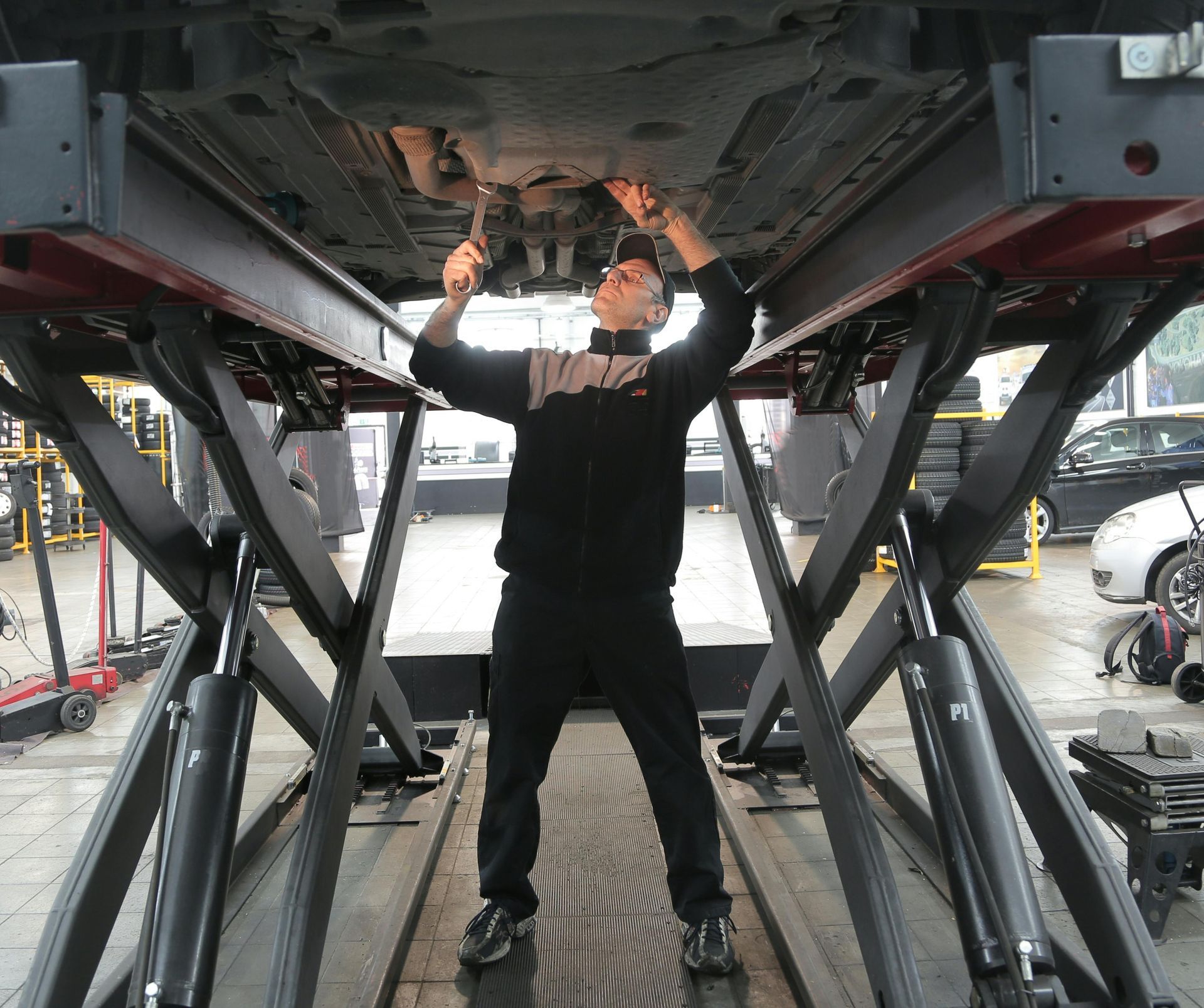
Professional technicians can spot tire problems that might not be obvious to vehicle owners. They can identify internal damage, sidewall issues, and wear patterns that indicate other vehicle problems.
Computerized Balancing
Properly balanced tires improve wet weather handling and extend tire life. Professional balancing equipment ensures optimal performance on Eureka's varied road surfaces.
Alignment Services
Proper alignment not only extends tire life but also improves wet weather handling and fuel economy – important considerations for Highway 101 commuting.
The Cost of Poor Tire Maintenance
Accidents caused by tire failure or poor wet weather traction can result in significant vehicle damage, increased insurance costs, and potential injury. The cost of proper tire maintenance is minimal compared to these risks.
Environmental Considerations
Properly maintained tires improve fuel economy, reducing emissions and saving money at the gas pump. In an environmentally conscious community like Eureka, this benefit extends beyond personal savings.
Don't Wait for the First Storm
The time to prepare your tires for wet weather is before you need them. Once the rainy season begins, tire shops become busy with emergency replacements and weather-related tire damage.
Professional Tire Service in Eureka
Don't let worn or improperly maintained tires compromise your safety on Eureka's wet fall roads. The tire experts at Eureka Brake & Automotive provide comprehensive tire inspections, professional installation, and maintenance services to keep you safe during the rainy season. From tread depth analysis to computerized balancing and alignment, we'll ensure your tires are ready for whatever Northern California weather brings.
Call us at
(707) 200-7097
or visit us at 2002 2nd Street in Eureka to schedule your tire inspection and prepare for safe wet weather driving today.